


Tankoa
Founded in Genoa, Italy, in 2007, Tankoa Yachts builds custom metal superyachts from 45 meters upward, using both established design platforms and full-custom projects developed around an individual owner brief. The shipyard works in steel and aluminum, with substantial opportunities for owner involvement in layout, design, propulsion, and technical specification. Its published models range from the 45-meter T450 to the 80-meter S801 Vespucci, offering markedly different approaches to performance, accommodation, cruising capability, and enclosed volume.
The Builder

Tankoa was established in Genoa in 2007 by Italian industrialist Guido Orsi and a team of experienced yacht-building professionals, including former Baglietto executives. From the outset, the shipyard focused on constructing a limited number of large metal yachts each year, allowing owners to work closely with the technical team and their chosen designers. Tankoa’s development can be traced through yachts such as the 69-meter Suerte, 72-meter Solo, and the 50-meter S501 series, including Bintador, Kinda, and Grey. These projects helped establish the shipyard’s capabilities in engineering, custom interiors, and individual design. More recent projects such as the 45-meter GO and 58-meter Diamond Binta demonstrate how the shipyard has continued to develop its platform-based approach alongside full-custom construction.
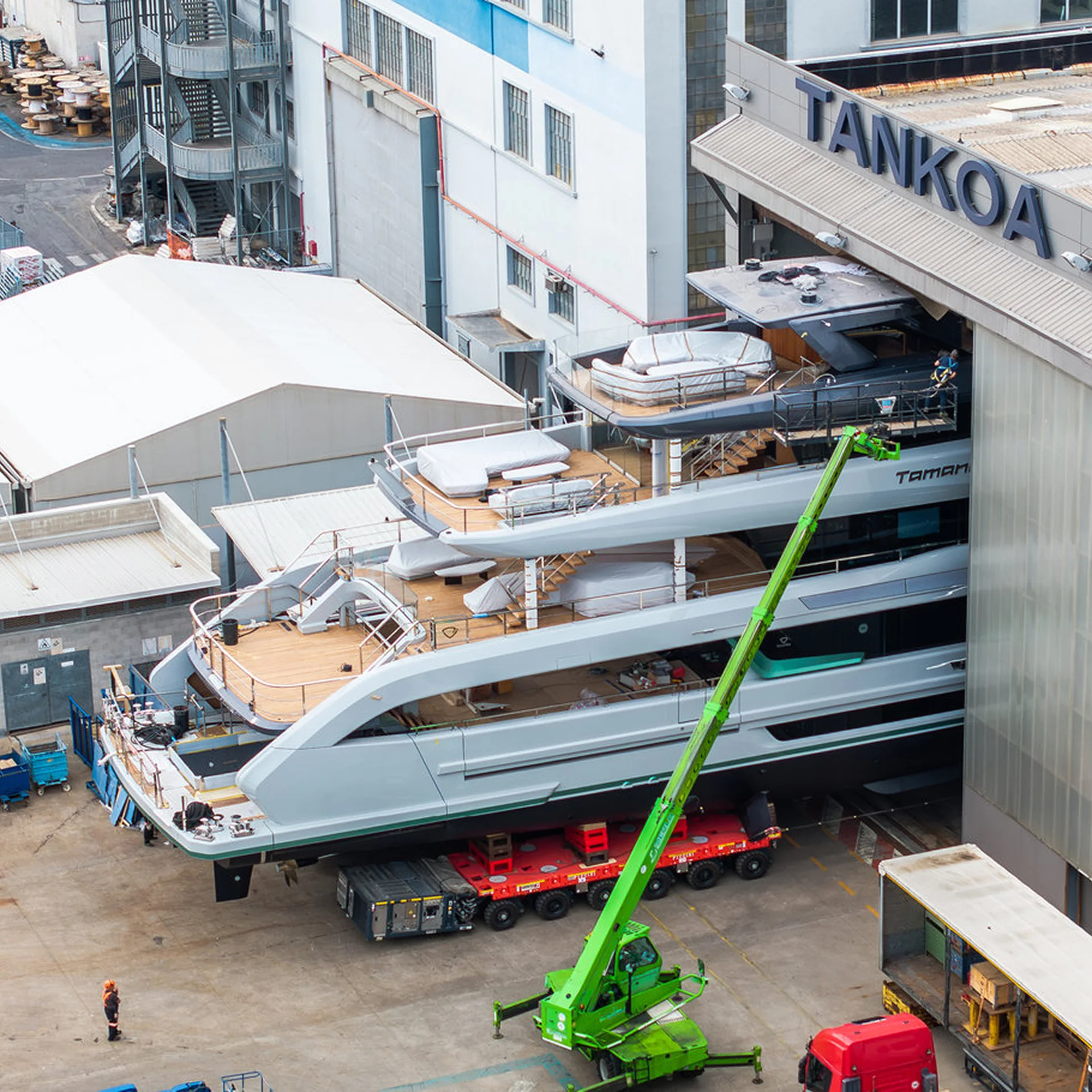
Design has played an important role in the shipyard’s development. Collaborations with Francesco Paszkowski, Giorgio M. Cassetta, Luca Dini, Enrico Gobbi of Team for Design, Alberto Mancini, and Nauta Design have produced yachts with markedly different proportions, arrangements, and characteristics. Tankoa also works on full-custom projects developed around an owner’s individual brief. The shipyard’s principal facility in Genoa covers approximately 30,000 square meters, supported by a production hub of similar size in Civitavecchia. These facilities provide capacity for hull construction, machinery installation, outfitting, and coordination of individual projects.
For a prospective owner, the important question is how much of the yacht should already be defined when the project begins. An established platform provides a defined engineering framework, while a full-custom commission allows the architecture and technical program to respond more extensively to the owner’s brief.
2007
YEAR FOUNDED
5
BUILDS PER YEAR
2
SHIPYARDS
3
PRODUCT LINES
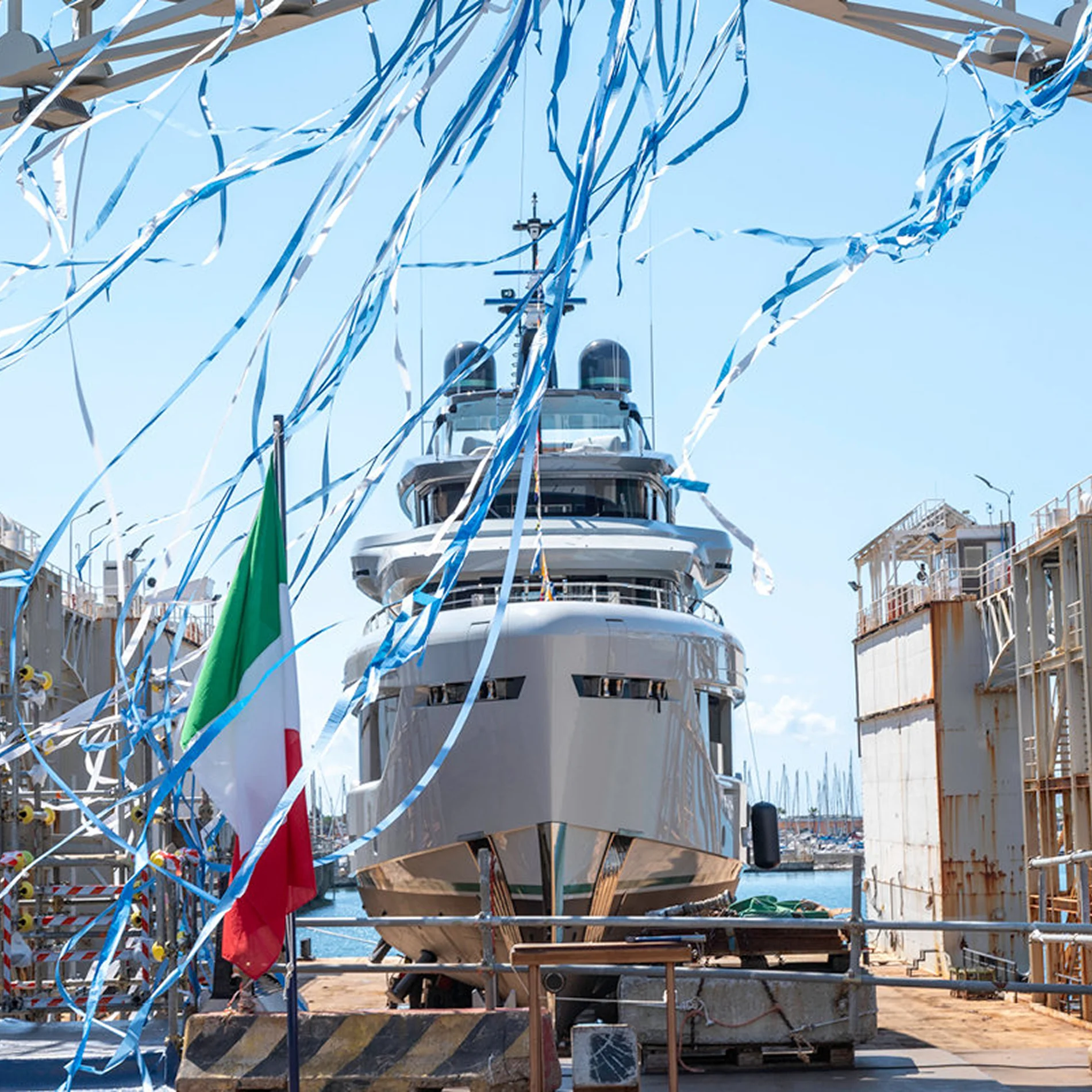
TANKOA YACHTS FOR SALE

Tankoa’s brokerage market includes yachts developed from established platforms and highly individualized custom builds. Comparing these vessels involves more than reviewing length, age, gross tonnage, and accommodation. The original construction specification, general arrangement, machinery, technical systems, and subsequent modifications help establish how a particular yacht differs from others of similar size. The condition and operation of custom equipment, including opening terraces, tender-handling systems, pools, and extensive glazing, also deserve attention. For steel and aluminum yachts, independent technical due diligence should address structural condition, protective coatings, corrosion management, material interfaces, machinery, and maintenance history. Classification records and previous survey findings provide further context.
Market comparisons require similar care. A highly customized yacht may offer substantial advantages to an owner whose requirements align with its design, but the same features may narrow its appeal to future buyers. Understanding those distinctions is particularly important when assessing asking prices and negotiating an acquisition. IYG can assist with evaluating available Tankoa yachts, reviewing their specifications and market positioning, and coordinating independent technical inspections and surveys.
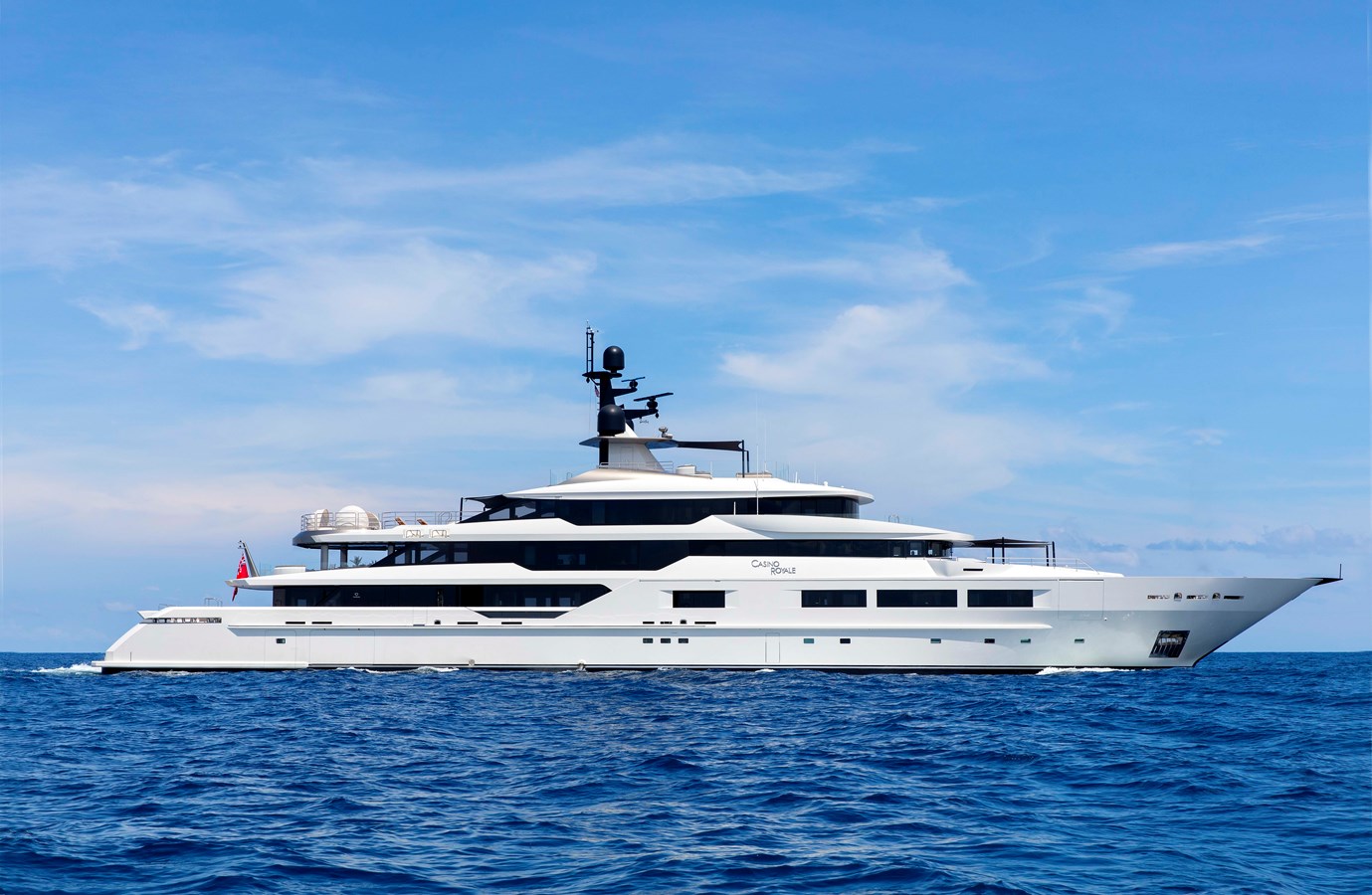
2018 Tankoa Yachts
CASINO ROYALE
west palm beach, Florida
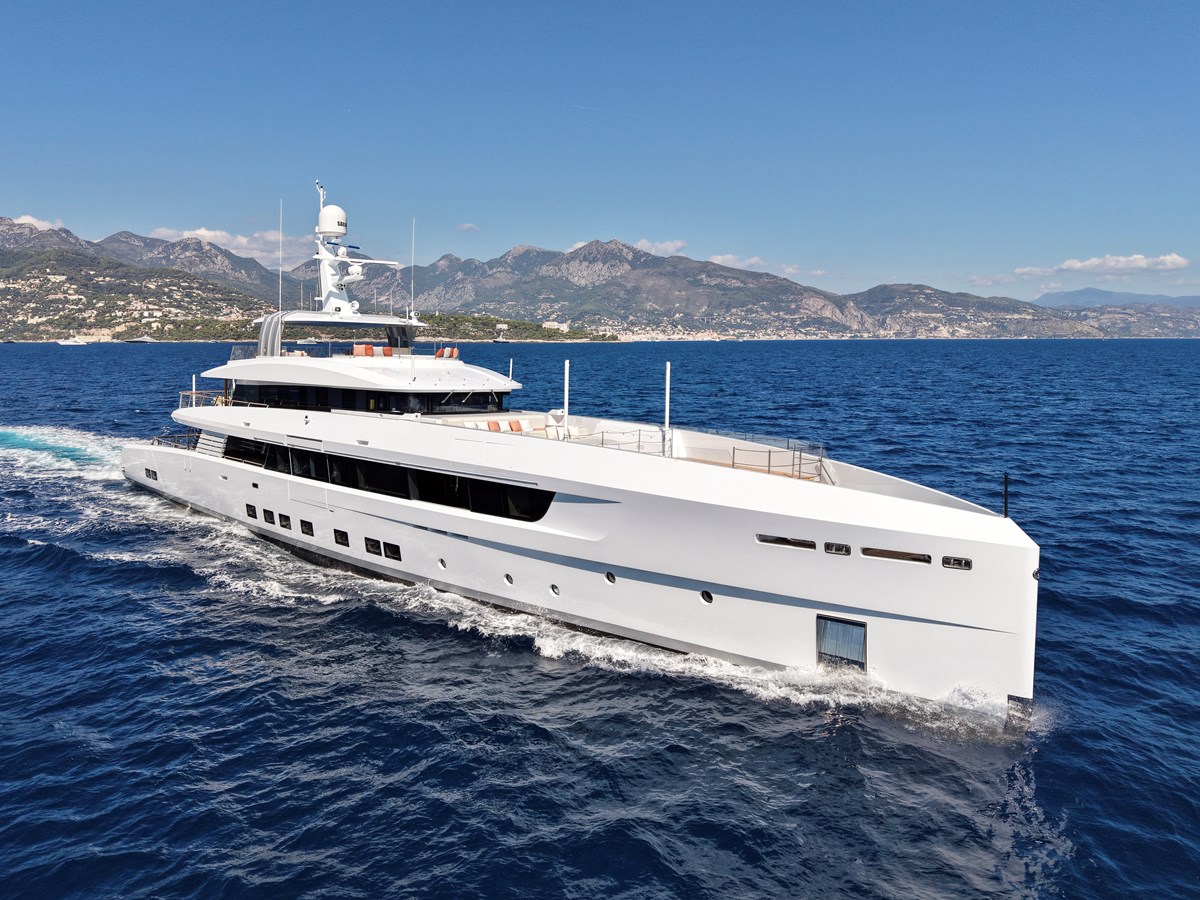
2027 Tankoa Yachts
SPIRIT
genoa, Italy
Commissioning a New Tankoa Yacht
Tankoa offers established platforms that can be developed to suit an individual owner, alongside full-custom construction. The distinction is important. An existing platform provides a starting point for hull engineering, accommodation, and technical systems, while a full-custom project may require a more extensive design and development process. Recent projects illustrate both approaches. The 45-meter Singolare demonstrates further customization of the T450 platform, while the 52-meter Spirit, designed by Vitruvius Yacht Design, was developed as a full-custom yacht with hybrid propulsion and an arrangement centered on the owner’s requirements.
Selecting the Right Design
The initial brief should establish where and how the yacht will be used. Intended cruising areas, passage lengths, operating speeds, time aboard, guest accommodation, crew requirements, and tender capacity all influence the appropriate hull and general arrangement. Two yachts of similar length may offer substantially different interior volume, performance, and onboard facilities. Comparing the general arrangements and technical specifications early helps determine whether an established platform can satisfy the brief or whether a full-custom design is more appropriate.
Developing the Construction Specification
Once a design direction is established, the owner and project team can address propulsion, stabilization, noise and vibration, interior planning, exterior equipment, engineering redundancy, and long-term maintenance. Substantial modifications can affect the structure, classification, gross tonnage, engineering approvals, and construction schedule. These implications should be evaluated before the final specification and contract are agreed upon.
Construction, Sea Trials, and Delivery
A new-build program requires clear responsibilities for technical approvals, change orders, payment milestones, construction inspections, commissioning, sea trials, and final acceptance. IYG can advise on the commercial aspects of a new Tankoa acquisition and coordinate with the owner’s captain, legal advisers, project manager, independent technical specialists, and shipyard throughout the process.
How IYG Works With Tankoa Buyers
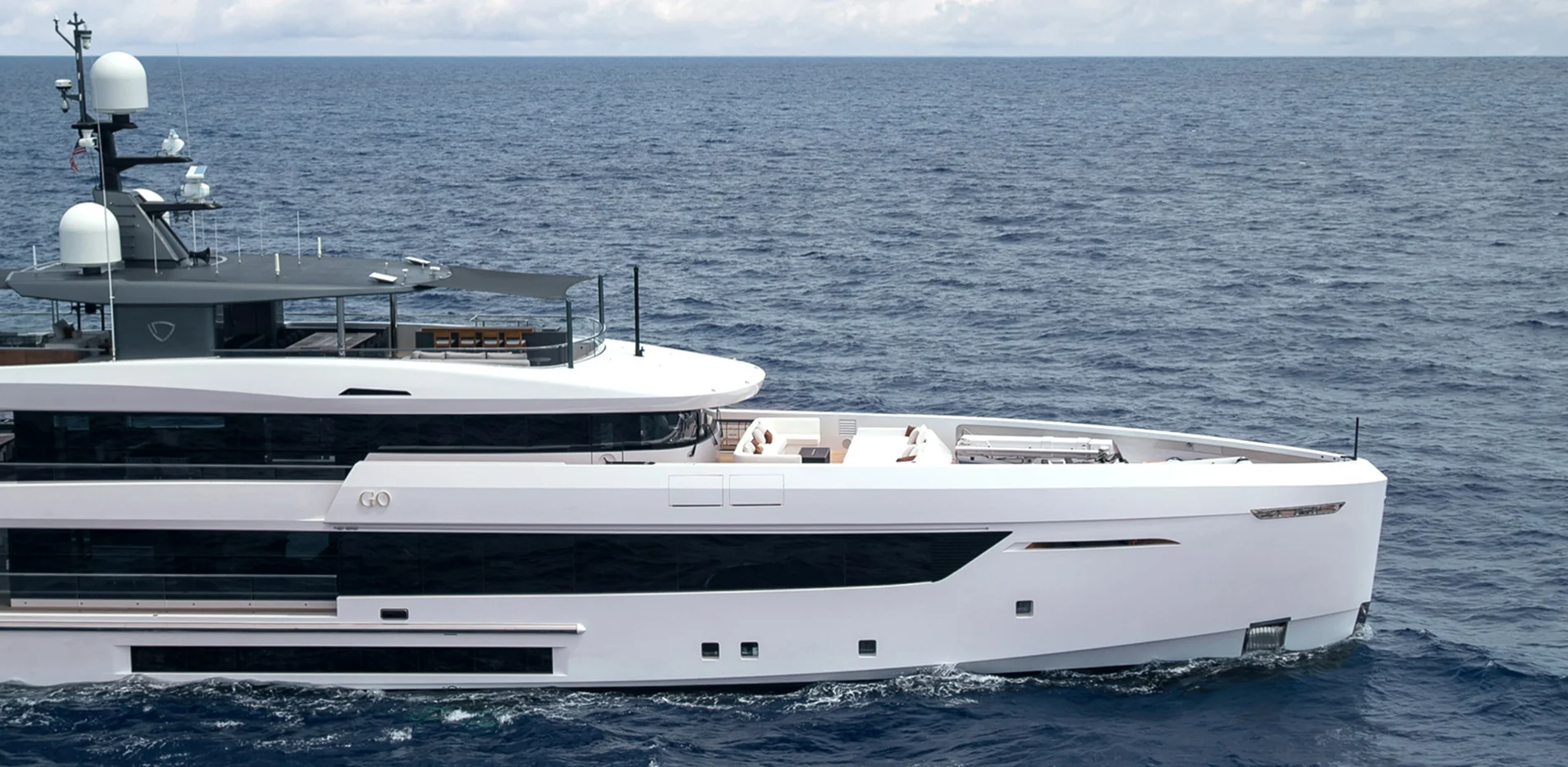
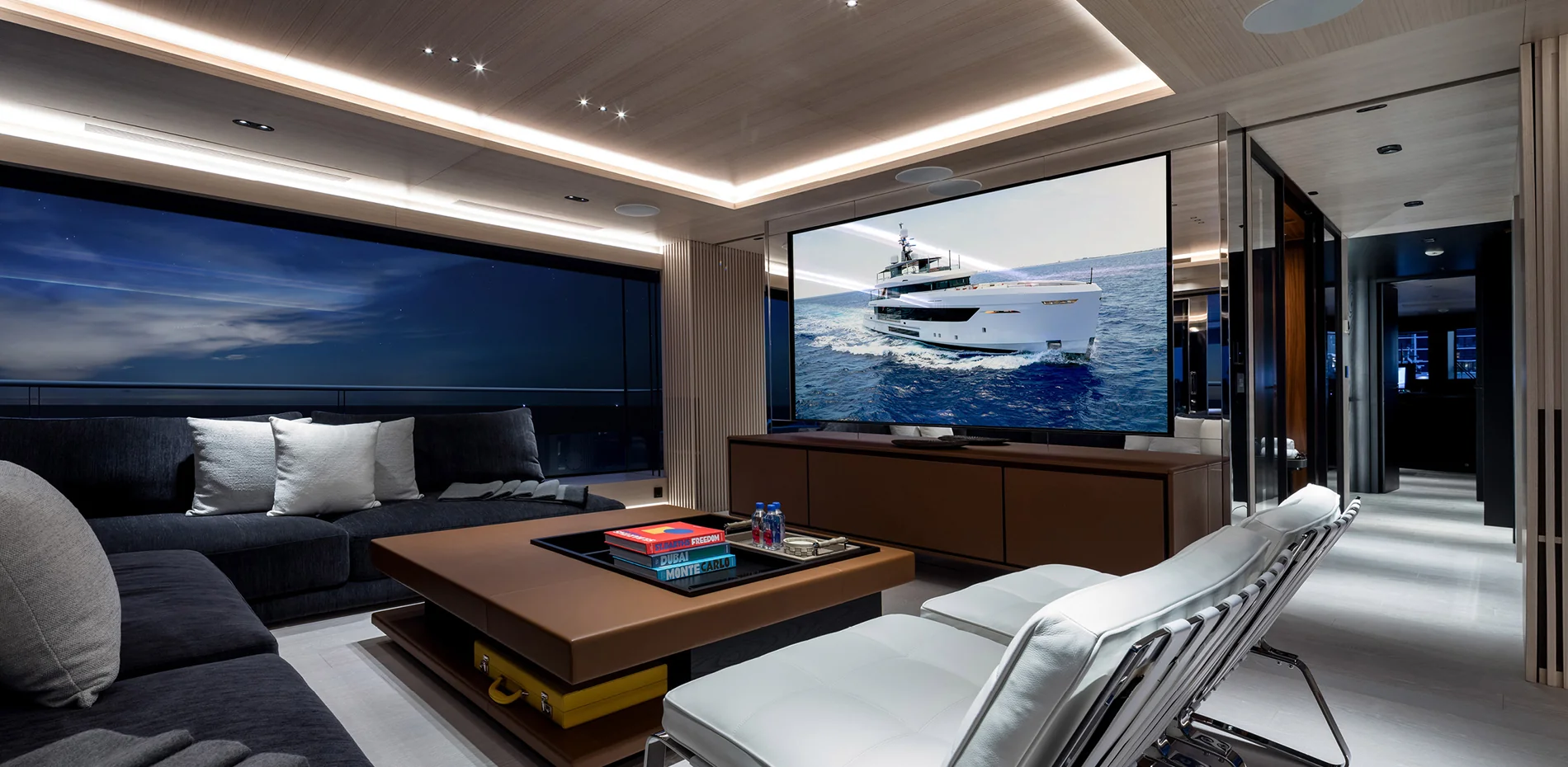
Italian Yacht Group’s involvement with the first Tankoa T450, GO, provides a direct connection to the shipyard’s semi-custom construction program. In 2021, Boomer Jousma and Vittoria Santarone of IYG introduced the North American buyer to Tankoa for the first T450 contract. The owner subsequently worked with the shipyard and Giorgio M. Cassetta to develop a more individualized design, including larger main-deck windows and an extended upper-deck saloon. The completed 45-meter GO was launched in Genoa in February 2024 and has a published gross tonnage of 454 GT. Her arrangement includes a main-deck owner’s suite, five guest suites on the lower deck, an upper-deck gym, and extensive exterior living areas. The project illustrates how changes to glazing and enclosed accommodation can influence a yacht’s final volume and general arrangement.
For buyers evaluating Tankoa, this transaction provides meaningful context for the shipyard’s approach to customization. Understanding how the original platform developed into a completed yacht can inform early design discussions, specification decisions, and the commercial considerations of a new-construction contract. IYG’s advisory services extend to new construction, pre-owned acquisitions, technical due diligence coordination, and subsequent ownership or resale planning. The objective is to establish whether a particular yacht and its specification are appropriate for the owner’s requirements.
Tankoa Yachts FAQs
Tankoa is headquartered in Genoa, Italy. Its Civitavecchia production hub expands the shipyard’s capacity for hull and superstructure construction, machinery installation, and initial outfitting, with projects then able to proceed through subsequent construction and completion stages within Tankoa’s Italian production network.
Tankoa has collaborated with multiple exterior and interior design studios, particularly on full-custom projects. The involvement of an owner’s preferred designer would need to be agreed upon with the shipyard and incorporated into the project’s contractual and technical scope.
Tankoa groups its published models into Under 500 GT, 500–1,000 GT, and Over 1,000 GT categories. Gross tonnage is a measurement related to enclosed volume, not vessel weight. The regulatory and operational implications depend on the yacht’s flag, registration, intended use, and applicable requirements.
Potentially quite substantially. Completed projects such as GO and Loewe demonstrate changes to accommodation, glazing, deck arrangements, guest capacity, accessibility, and leisure spaces. More extensive requests can affect gross tonnage, structure, engineering, and classification, which is why the general arrangement and technical specification need to develop together.
Important considerations include the yacht’s original and current specifications, structural and machinery condition, class records, maintenance history, and custom equipment. Buyers should also assess accommodation, crew arrangements, intended cruising use, and comparable transactions when evaluating the yacht’s market position.
Considering a Tankoa Yacht?
Whether evaluating an available yacht or commissioning a new build, IYG can help compare Tankoa designs, review individual specifications, and establish an acquisition strategy around your requirements. Its involvement in the first T450 project, GO, provides direct context for working with the Genoese shipyard.