Back
BackRiva is arguably the most famous boatbuilder in the world for some very good reasons.
The Post-War Era That Made Riva an Icon
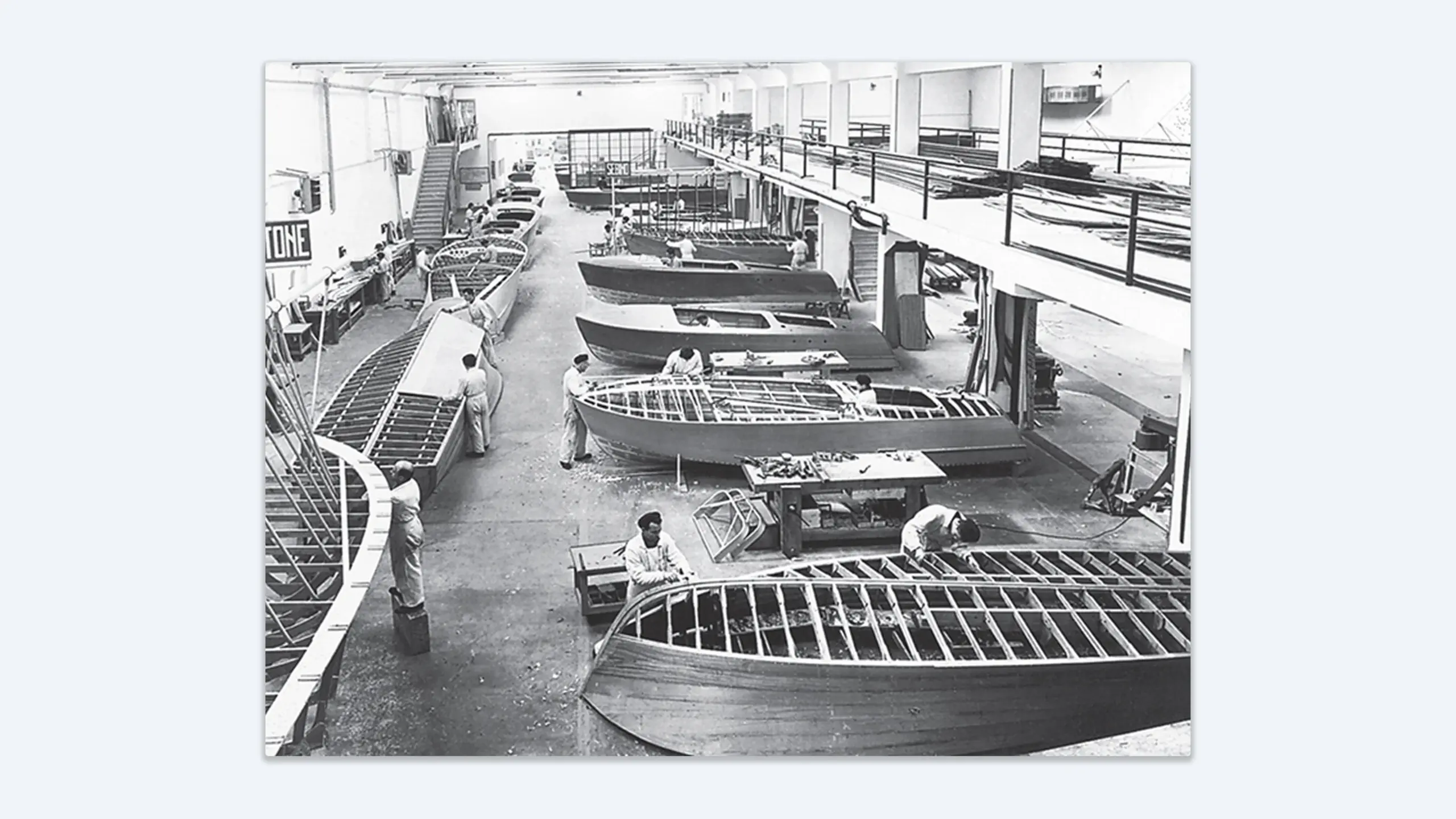
After World War II ended, a feeling of relief, warmth, and bonhomie bloomed across the world. In America industry boomed, and a land largely untouched by war virtually overflowed with young families packed into new suburbs and buoyed by good jobs. That roaring economy produced the desire for epic vacations, and for this requirement many Americans looked back across the ocean from which many servicemen had just returned. Italy was perfectly aligned to receive these Americans. The country was undergoing its own post-war Renaissance of sorts, with laissez-faire attitudes toward life and love spreading from Rome to the Riviera. This was the fabled era of La Dolce Vita—the sweet life. And when Americans came to get a taste of it, they were greeted by motor scooters, aperitivi, and perhaps most iconically of all, little mahogany runabouts built by Riva.
Source: 2026 Ferretti S.p.A
The Riva Aquarama and Its Lasting Legacy
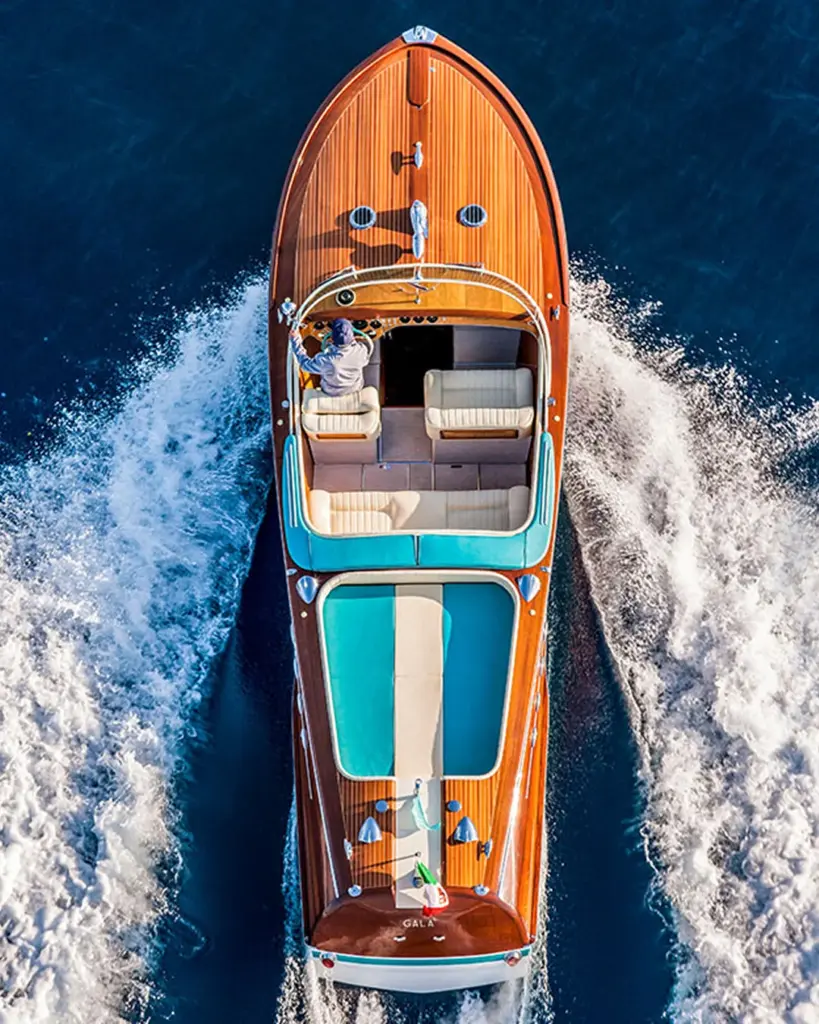
At this point in time, Riva was over 100 years old—having been founded by Pietro Riva in 1842—and had been building motorboats for about half that time. In 1962, the builder launched the first twin-engine Aquarama into the placid waters of Lake Iseo in Lombardy. That particular model became a near instant smash success, with appearances in GoldenEye and Ocean’s Eleven soon to follow. Even today the Riva Aquarama is arguably the most famous model of boat ever built.
Though in modern times Riva no longer builds boats from wood, the tiny Aquarama casts an enormous shadow over everything the builder does, entwining its DNA throughout a product line that stretches from a modest 27-footer up to a recently announced 70-meter superyacht that is set to launch in 2028.
Image: Aerial photo of a classic Riva Aquarama racing across lake
Source: 2026 Ferretti S.p.A
I think it’s impressive that despite having one of the strongest histories and pedigrees in all of boating, Riva has never been afraid to grow,” says Boomer Jousma. “They still have their core principles at play in every boat and yacht they build—and by that I mean a certain sense of beauty and fun and a focus on elegant design. But they’ve also taken that recipe and developed it into a much more dynamic brand that progresses elegantly up the size ladder from runabout to motoryacht to megayacht without losing its essence.”

Meet Mauro Micheli, the Designer Behind Every Modern Riva
A great debt for this design continuity is owed to one man, Mauro Micheli. Micheli is the co-founder and chief designer of Officina Italiana Design. While Riva’s parent group, Ferretti, handles naval architecture and hull design, it is Micheli who is responsible for designing models that hold true to Riva’s vision. And he has done such a good job with it that he alone has penned every single Riva model for the past 30 years.

It’s really a testament to Mauro’s incredible talents that he is able to produce boats that all have this certain Riva aura, regardless of their size,” says Jousma. “They all have this certain low-slung, uncluttered look to them, and of course he also does a great job using those big Riva windows to accentuate all the yachts’ profiles.”
Image: Mauro Micheli of Officina Italiana Design, the designer responsible for Riva’s contemporary fleet
Source: Officina Italiana Design
Inside the Modern Lineup of Open Sportfly & Flybridge Models
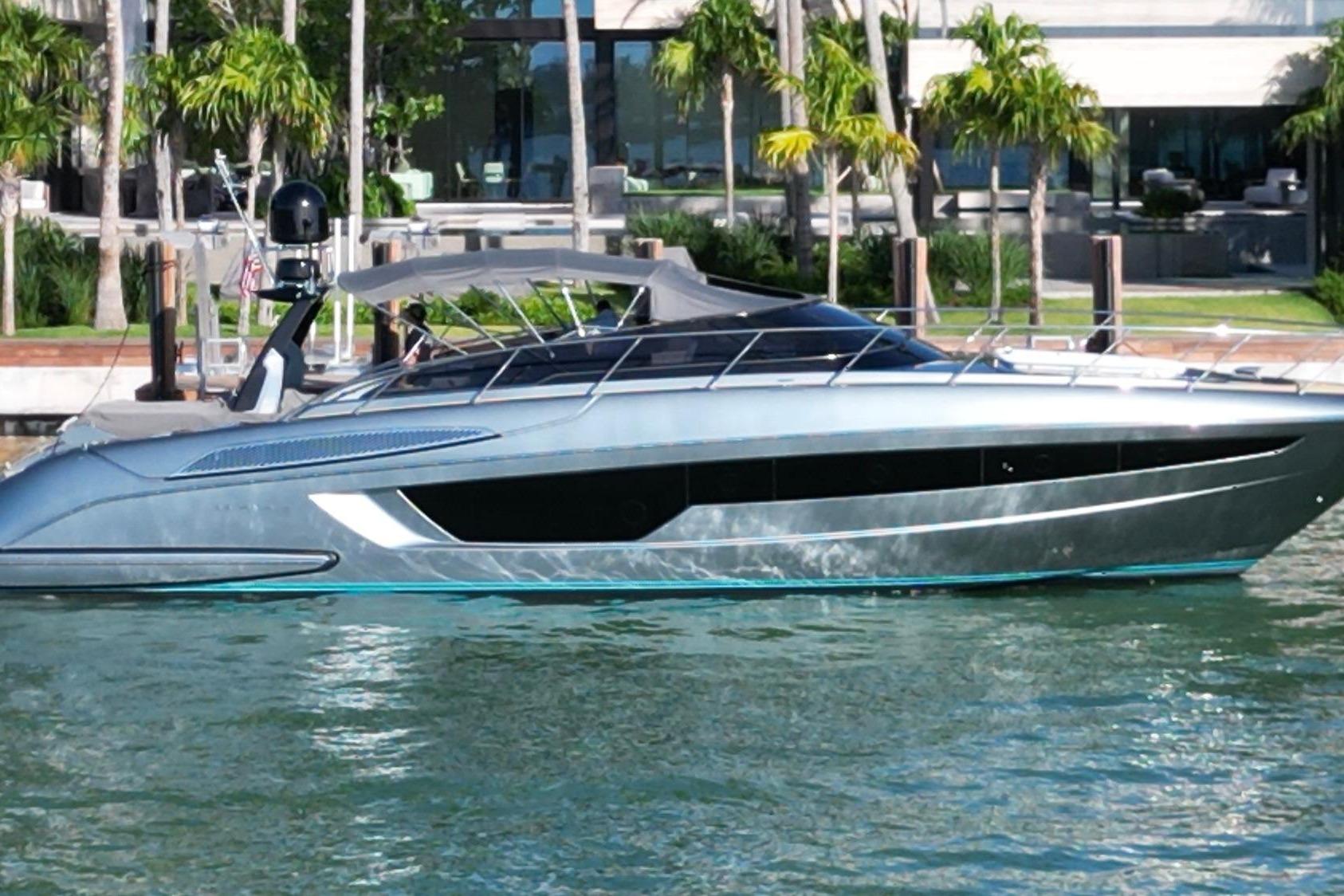
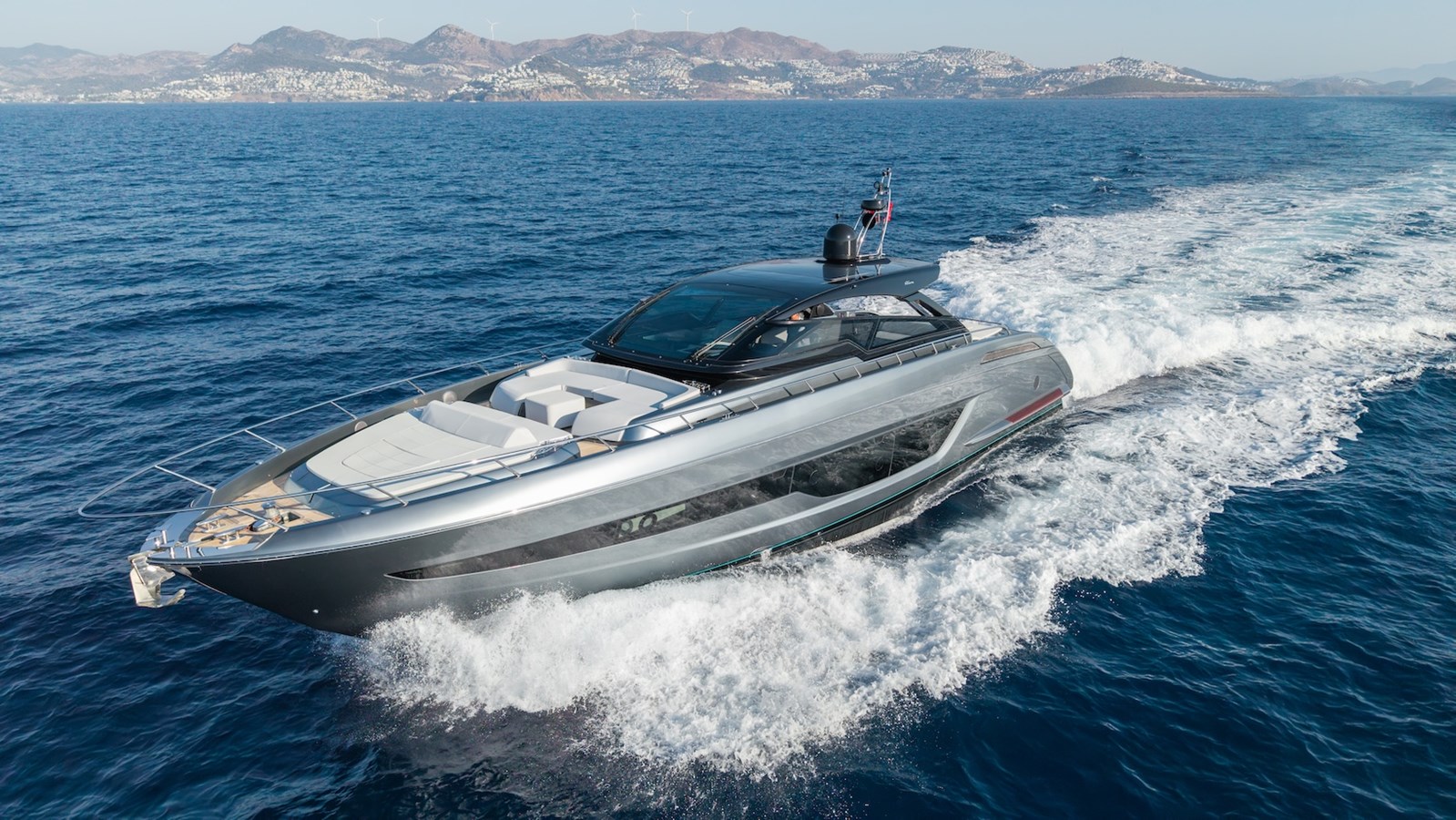
Currently Riva produces four distinct lineups, and has something for nearly everyone’s taste. The Open line encompasses its smallest boats and is most akin to the early runabouts on which the company has staked its claim. The recent launch of the 27-foot Iseo model marked not only the smallest boat Riva builds but also its first all-electric model. (A more traditional combustion version of this boat is also available.) The Open lineup climbs through the ranks with larger models like the 48-foot Dolceriva, 56-foot Rivale, and 68-foot Diable, before culminating in the 76-foot Bahamas Super.
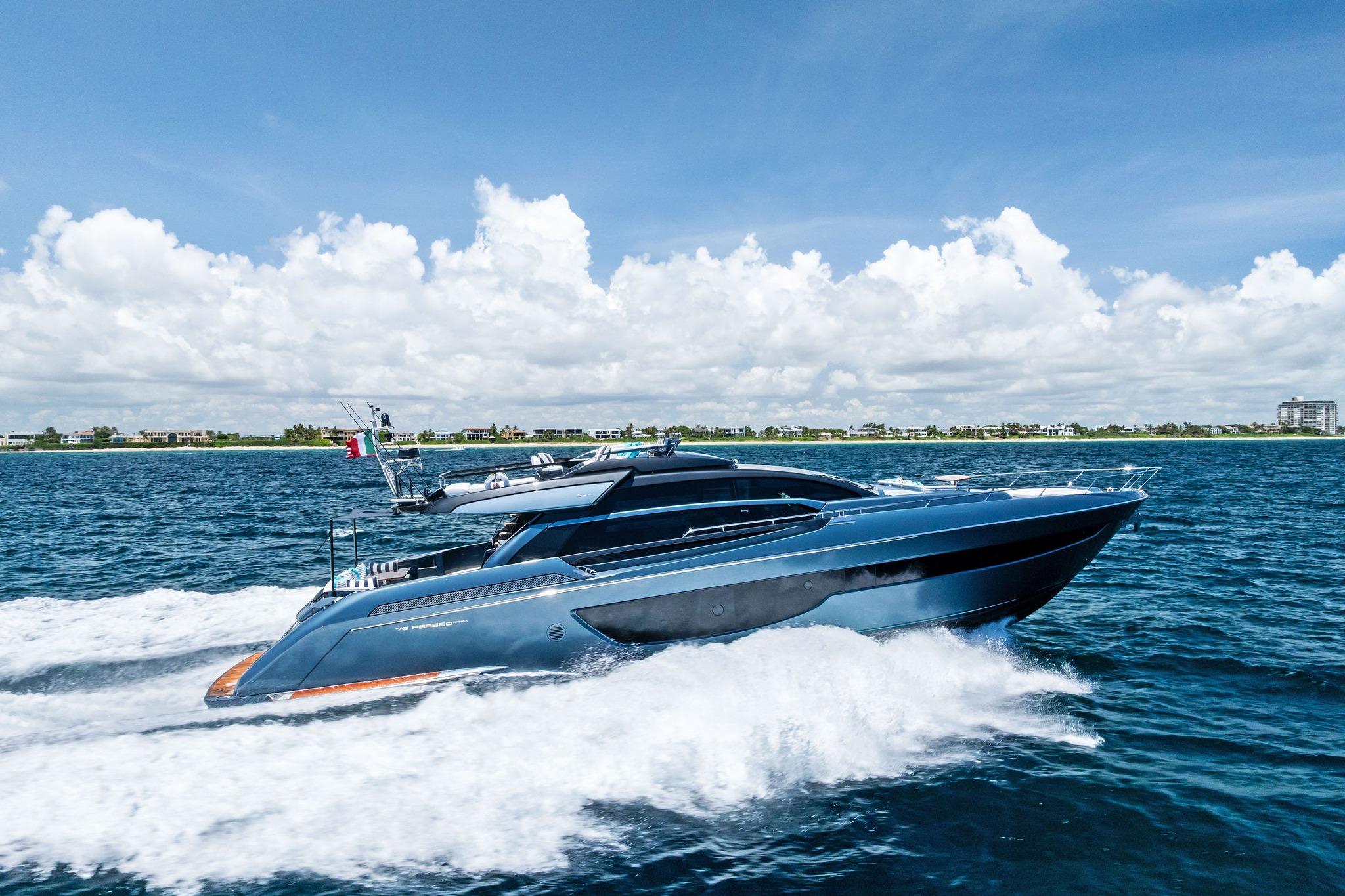
The Sportfly range includes the 66-foot Ribelle, 76-foot Perseo Super, and the 88-foot Folgore. These models retain an athletic look and feel while offering more entertainment space than the Open line thanks to discreet but very usable flybridges. Riva also has a Flybridge range that is more in line with a typical motoryacht. That lineup runs from the 90 Argo up to the 130 Bellissima. While to the casual observer a motoryacht may feel out of sync with Riva’s raison d’être, it’s a testament to Micheli’s keen eye that even those yachts retain an undeniable Dolce Vita flair.
Flybridge Range
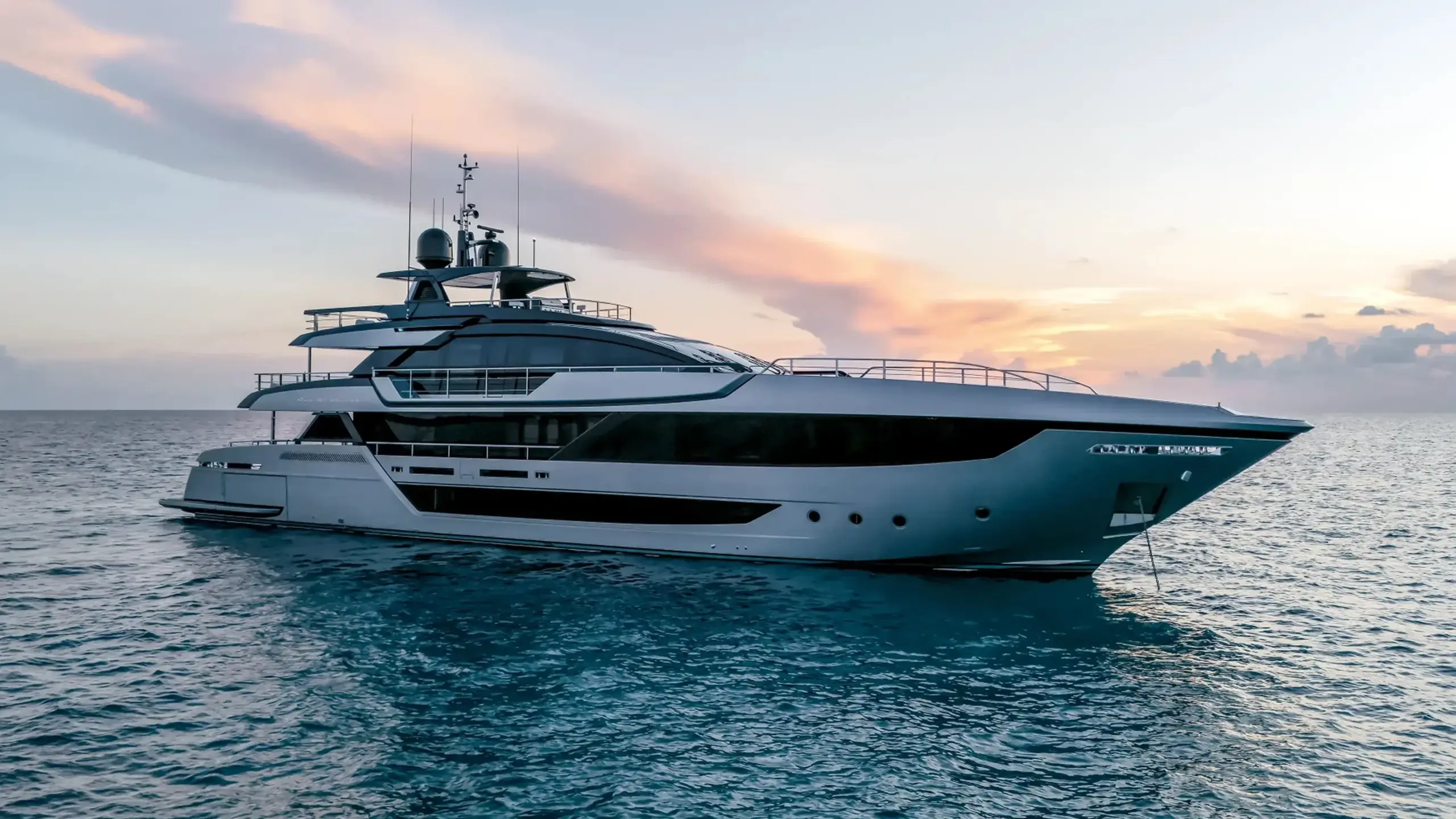
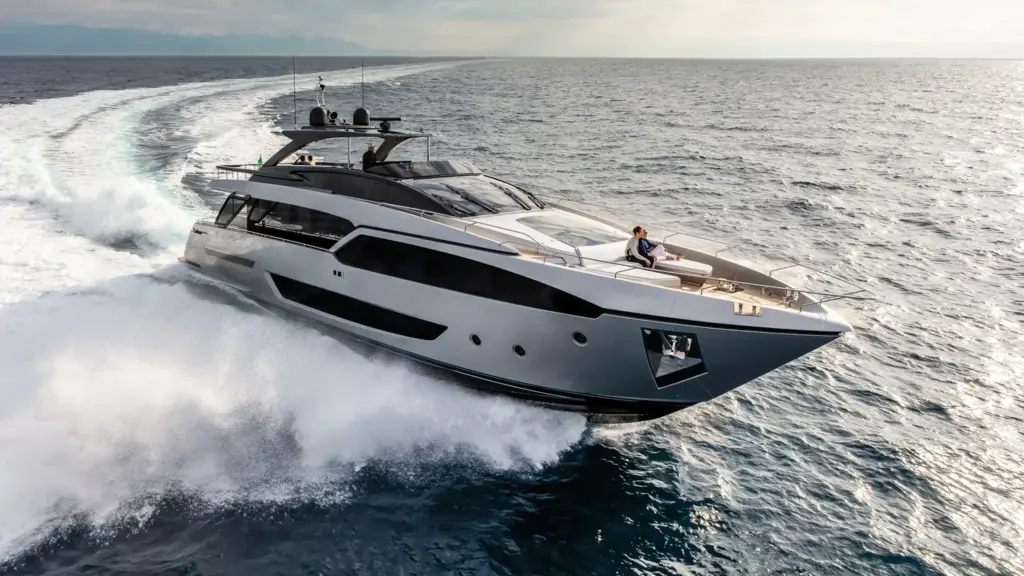
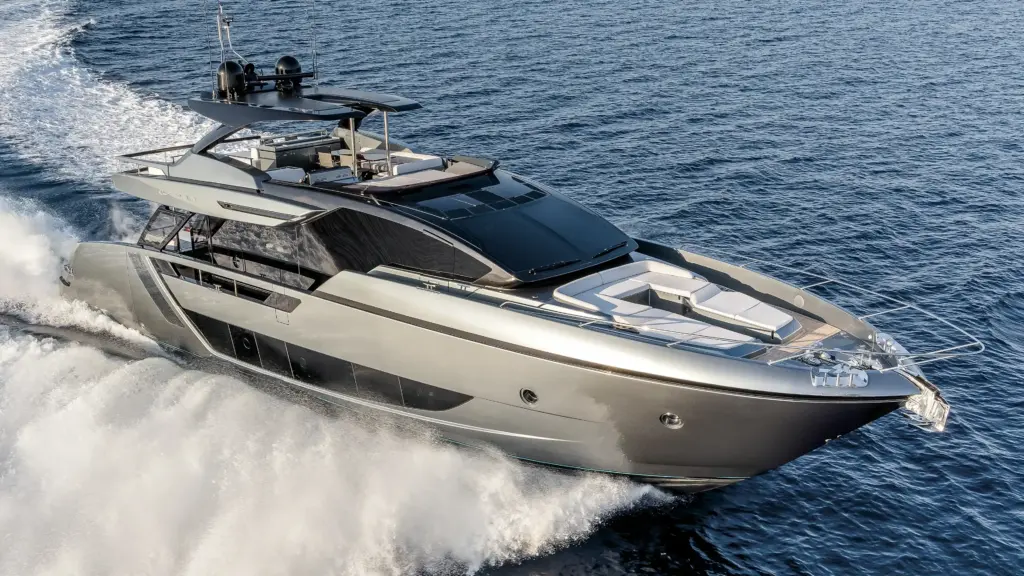
Images: Riva’s Flybridge Range– The flagship 130-foot Riva Bellissima, 90-foot Riva Argo, 82-foot Riva Diva
Source: 2026 Ferretti S.p.A
Sportfly Range
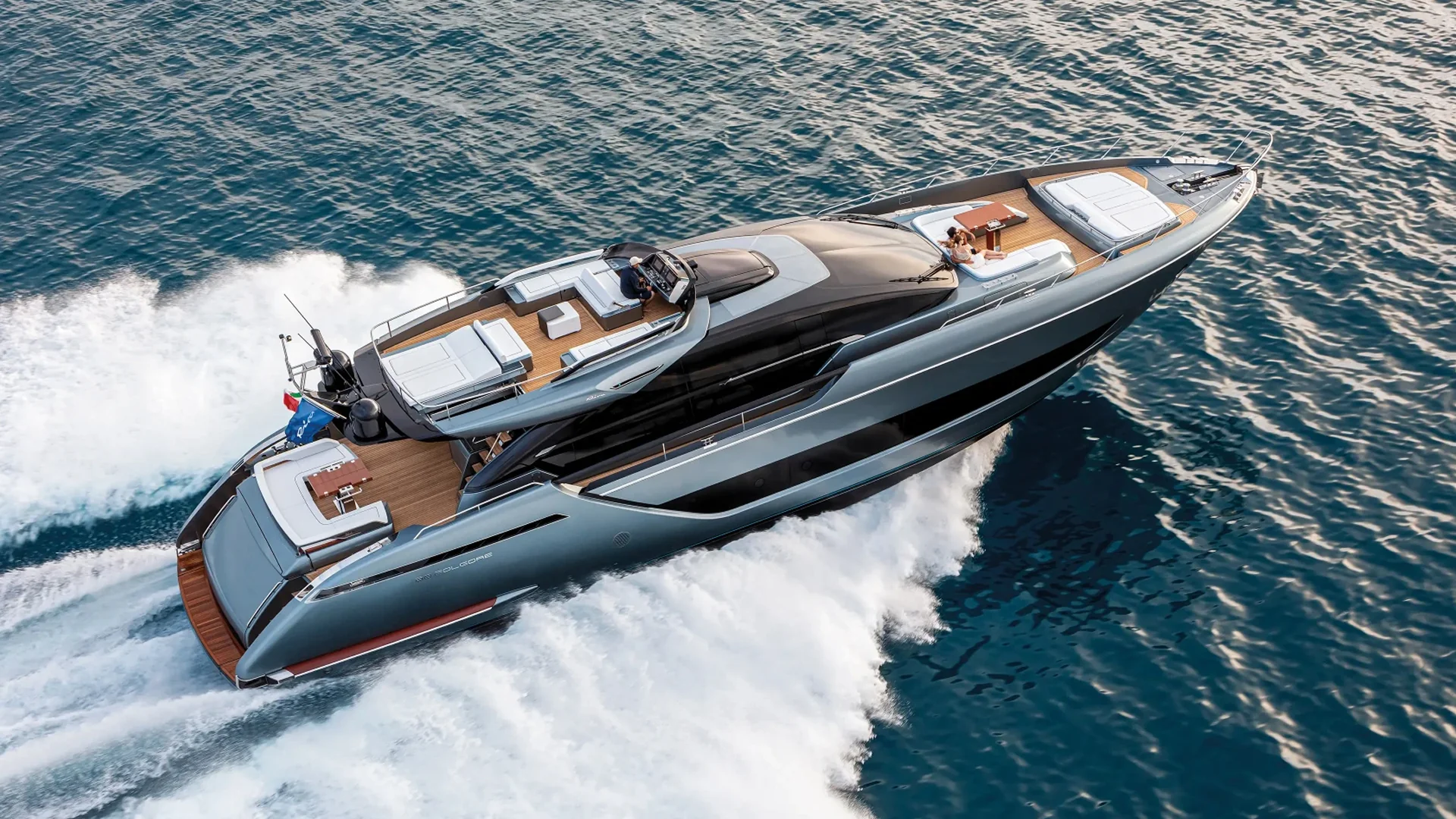
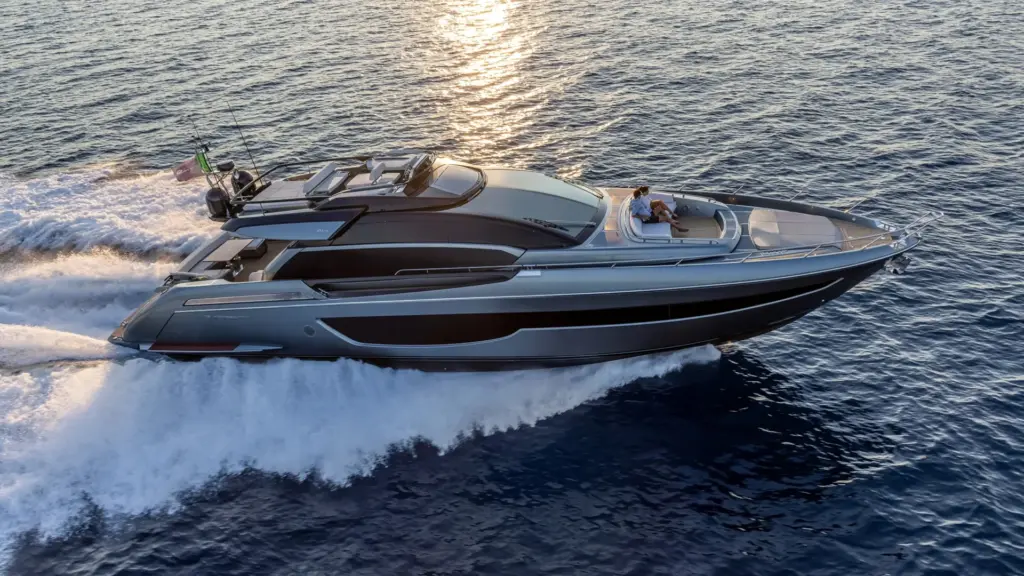
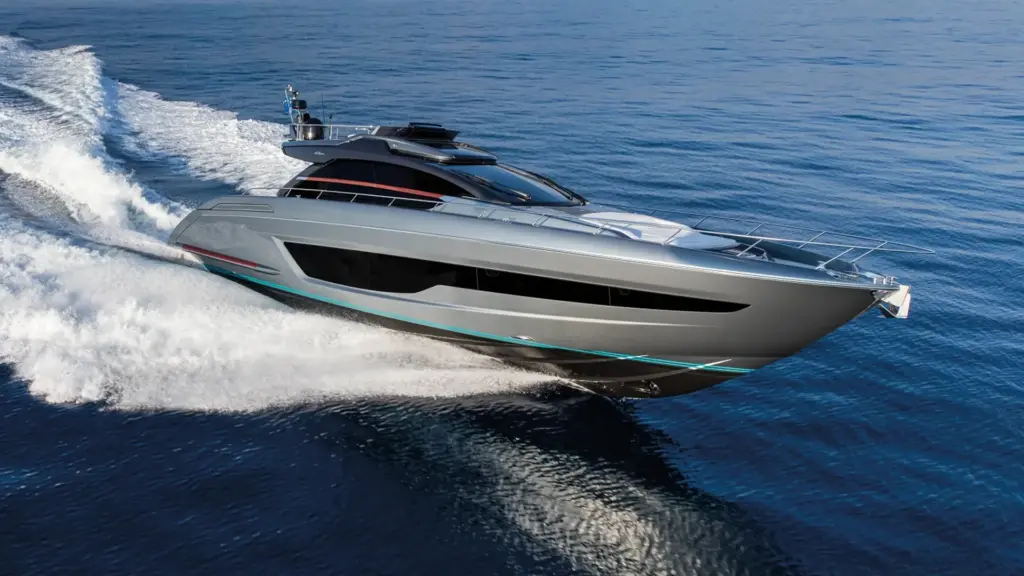
Images: Riva’s Sportfly Range– The 88-foot Riva Folgore, 76-foot Riva Perseo Super, and 66-foot Riva Ribelle
Source: 2026 Ferretti S.p.A
Open Lineup
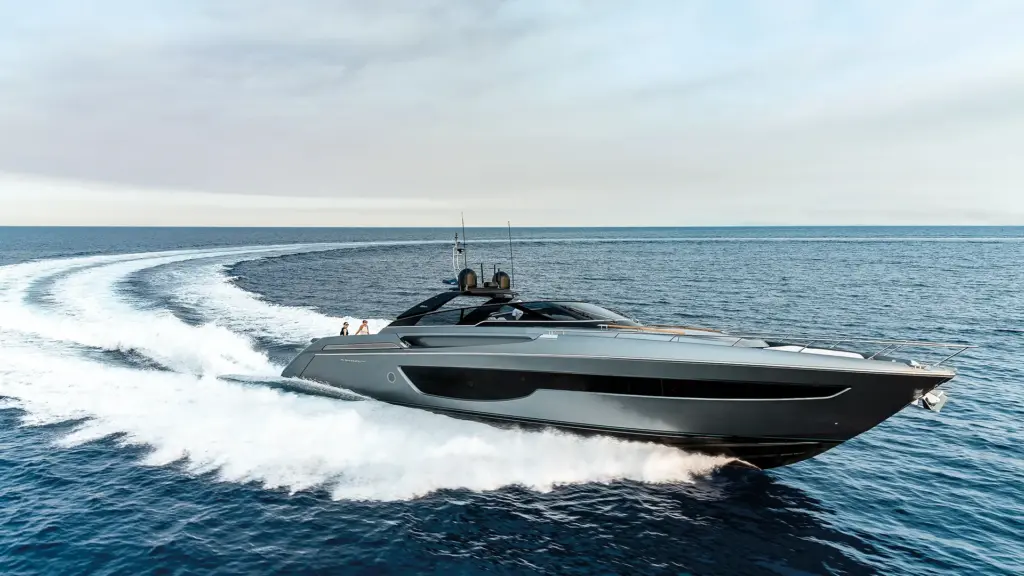
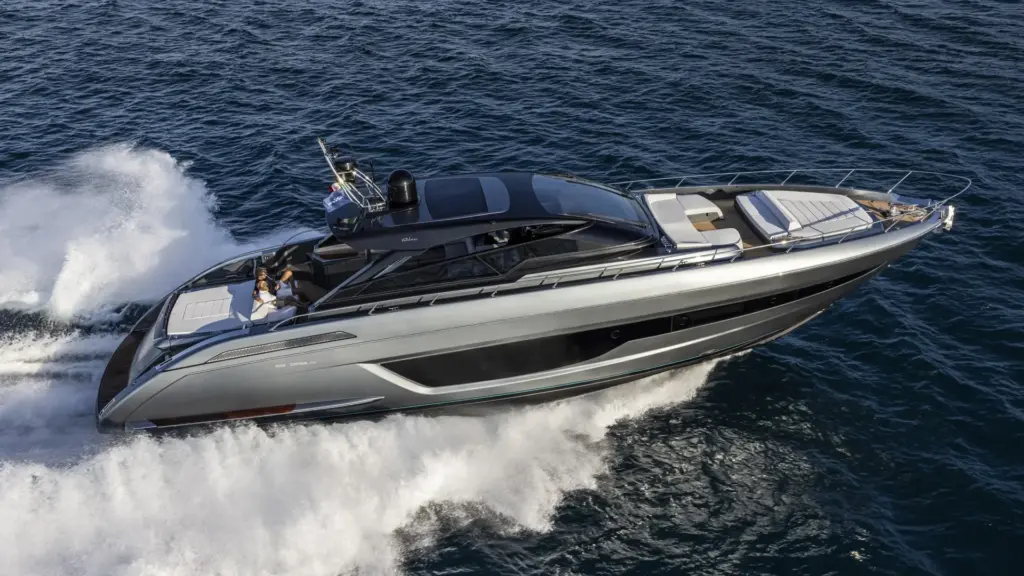
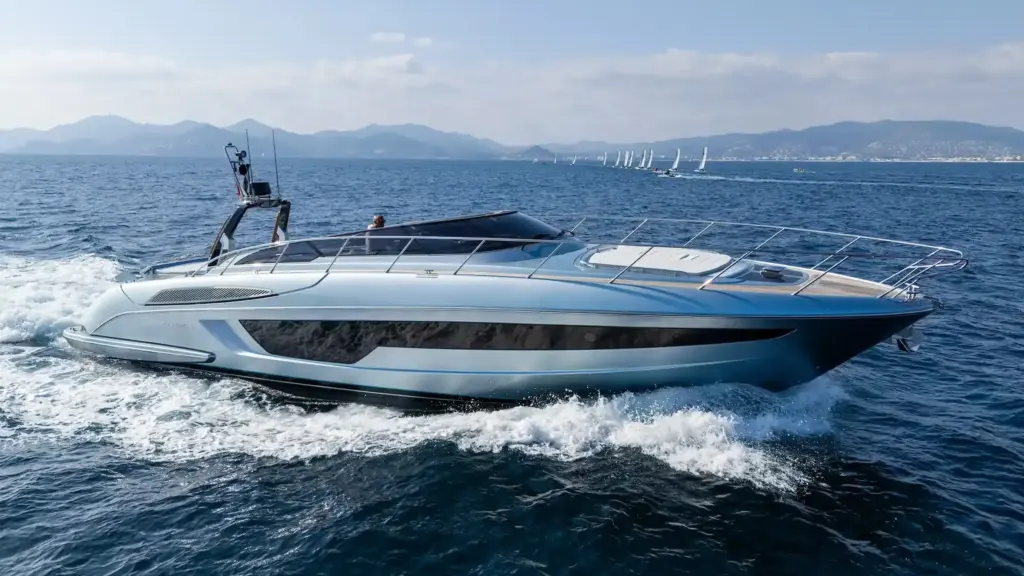
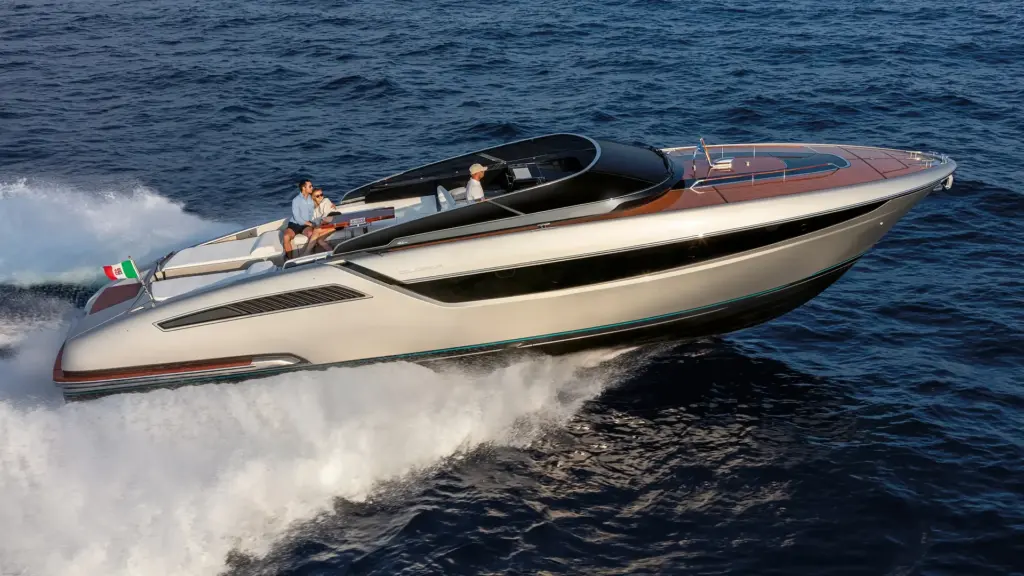
Images: Larger models from Riva’s Open Lineup– 76-foot Riva Bahamas Super, 68-foot Riva Diable, 56-foot Riva Rivale, and 48-foot Riva Dolceriva
Source: 2026 Ferretti S.p.A
Riva Superyachts and the Future of the Brand
Riva also has a Superyachts Division that was launched in 2019. These yachts are constructed of steel and aluminum at Ferretti’s Ancona shipyard. The current flagship is an all-aluminum yacht named Sairu, however as previously mentioned a 70-meter project is in the works. The idea with this line is to offer Riva’s timeless elegance in a voluminous and highly customizable package that appeals to a rare and discerning clientele.
Whatever your taste in yachts, Riva has something for everyone. And because Riva has such premium brand recognition, its yachts tend to hold their value exceptionally well. You can consider that the cherry on top from a builder that defines the sweet life.
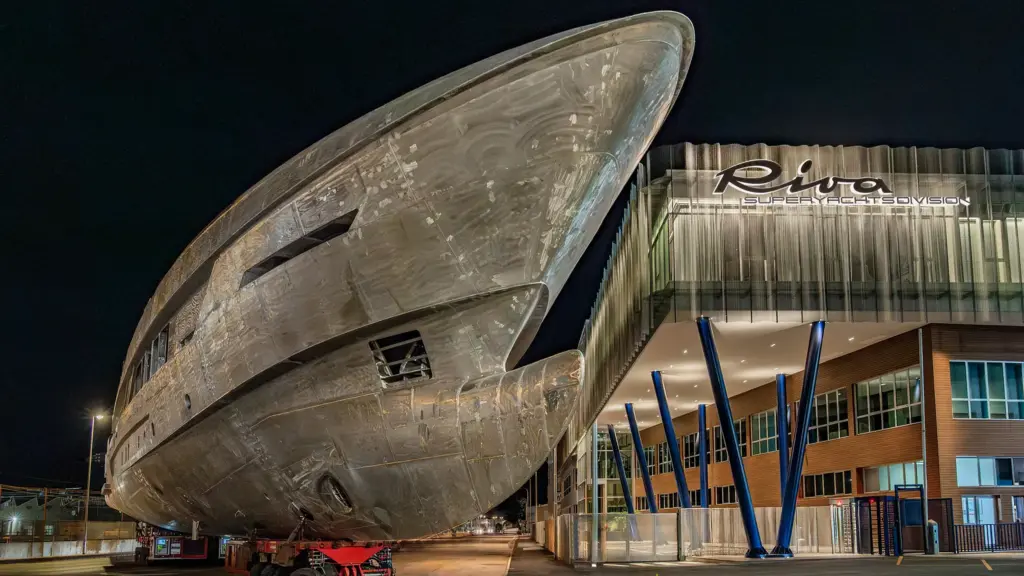
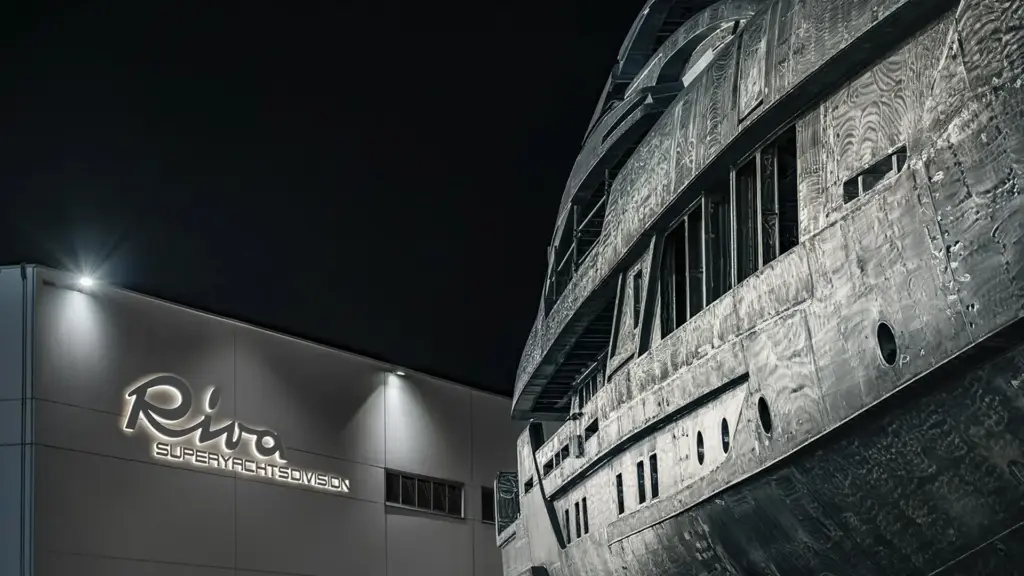
Images: A large metal Riva superyacht hull staged outside the illuminated Superyacht Division building in La Spezia, Italy
Source: 2026 Ferretti S.p.A